Safety starts with Safety Pole
Inspection Responsibilities, Equipment Condition, and Jobsite Recordkeeping
Regulatory references reviewed: November 19, 2026.
Fall-protection equipment must be inspected and maintained in accordance with applicable regulations and manufacturer instructions. Contractors also need appropriate records of inspections, identified defects, corrective actions, and equipment condition.
Inspection is an essential part of maintaining a functioning fall-protection program. Construction equipment is exposed to handling, weather, transportation, changes in work location, and repeated use. Damage or an unsuitable configuration may not be obvious unless employees and supervisors understand what to examine and when equipment must be removed from service.
For contractors using the Safety Pole System, inspection responsibilities extend across the equipment’s working lifecycle—from initial installation through active use, planned relocation, maintenance, and eventual removal from service.
Federal OSHA 29 CFR §1926.502(d)(21) requires personal fall arrest systems to be inspected before each use for wear, damage, and deterioration. Defective components must be removed from service.
California Title 8 §1670(b)(15) contains a corresponding pre-use requirement.
California also requires each personal fall arrest system to undergo an inspection by a competent person at least twice annually, in accordance with manufacturer recommendations. Under §1670(b)(19), the dates of those inspections must be documented.
These provisions govern the equipment and activities described in the regulations. Additional inspections, maintenance practices, or restrictions may be established by the equipment manufacturer.
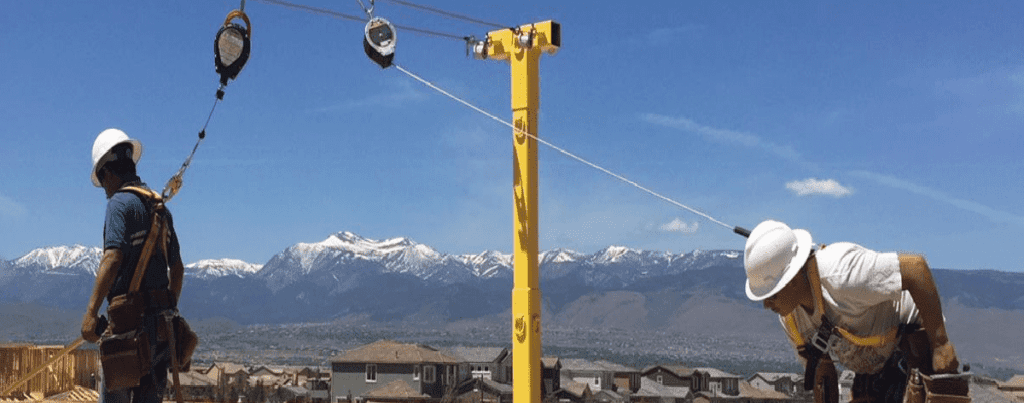
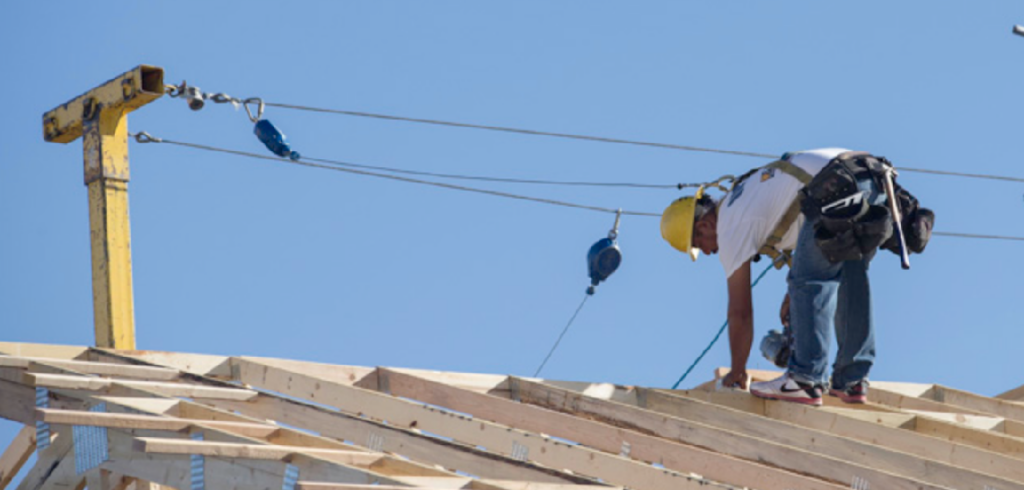
The Safety Pole System provides modular fall-protection infrastructure for defined construction applications, including approved Single Anchor and Horizontal Lifeline (HLL) arrangements.
Current manufacturer instructions govern the inspection and maintenance requirements applicable to the installed configuration.
As a general practice, employers should ensure that equipment is examined before installation and use, that completed installations receive the required verification, and that equipment condition remains subject to review as work progresses.
Changes in location or configuration may introduce new inspection and verification needs. Personnel must not assume that an earlier inspection automatically covers a subsequent deployment.
If equipment appears damaged, has been improperly modified, or has an uncertain service history, it should be removed from use until the appropriate authorized determination has been made.
Equipment exposed to fall-arrest forces requires special attention.
Federal OSHA §1926.502(d)(19) requires affected personal fall arrest equipment to be removed immediately from service. Federal rules permit subsequent use only following the competent-person determination specified in that provision.
California §1670(h) imposes a more restrictive rule for specified equipment subjected to in-service loading equivalent to a drop test, prohibiting its further use for employee safeguarding.
Contractors must follow the applicable jurisdictional requirements and current manufacturer instructions. Equipment should never be repaired, modified, or returned to service through an improvised procedure.
When Safety Pole equipment condition or disposition is uncertain, consult Safety Pole for current manufacturer guidance.
Inspection records help contractors identify which equipment has been examined, what conditions were found, and whether corrective action remains outstanding.
A useful equipment record may identify the equipment or system, inspection date, responsible inspector, observed condition, deficiencies, corrective action, and service status.
These are suggested recordkeeping fields, not a universal regulatory form.
California’s §3203 also establishes documentation requirements for scheduled and periodic workplace hazard inspections under an employer’s Injury and Illness Prevention Program.
A logbook supports accountability and maintenance history. It does not, by itself, establish that an installation is correct, that a system is suitable for a particular application, or that the employer has met every applicable regulatory requirement.
Safety Pole is preparing additional inspection and recordkeeping resources for this section. These materials will be made available as their current versions, technical content, and distribution permissions are confirmed.
Planned resources identified in the November 8 website program:
Safety Pole Inspection & Logbook Guide (E12): Additional guidance on inspection responsibilities, equipment records, and the use of logbooks.
Safety Pole Logbook — English: The English-language logbook resource identified for the Documentation Hub.
Safety Pole Logbook — Spanish: The corresponding Spanish-language logbook resource.
These resources are not yet confirmed as approved public downloads. Availability and access arrangements will be identified when the documents are released.
In the meantime, contractors should continue using their current approved manufacturer documentation and established employer inspection and recordkeeping procedures.
Yes. Federal OSHA §1926.502(d)(21) and California §1670(b)(15) require pre-use inspection for applicable personal fall arrest systems.
Yes. California §1670(b)(19) requires competent-person inspections of personal fall arrest systems at least twice annually, with inspection dates documented.
No. A logbook records inspection and equipment-management activities. The applicable manufacturer instructions and regulations determine the required procedures and acceptance criteria.
Do not assume that repair or reuse is permitted. Equipment disposition must follow current Safety Pole instructions, applicable regulations, and any necessary technical determination.
Visit the Safety Pole Documentation Hub for available manufacturer resources.
For questions about current inspection instructions, equipment condition, or maintenance documentation, contact Safety Pole.
Compliance Statement
Safety Pole is one component of a complete fall-protection program. Regulatory compliance depends on the actual system configuration and installation, compatible equipment, worker training, inspection, supervision, maintenance, site conditions, and all applicable federal, state, local, and project requirements. Use of the Safety Pole System does not, by itself, establish employer or worksite compliance.
Understand federal OSHA’s residential construction fall-protection requirements, including when protection is necessary, which systems are permitted, and the responsibilities contractors must address.
Explore California’s construction fall-protection regulations, including the state’s six-foot requirements for specified residential framing and roofing activities and the distinctions that affect different types of work.
Learn how Cal/OSHA’s residential framing regulations apply to work on top plates, joists, trusses, and roof sheathing—and what contractors need to consider before crews work at height.
Understand the employer’s responsibilities for worker training, supervision, and documentation under OSHA and Cal/OSHA, and how manufacturer resources support those obligations.
Effective fall protection begins before work at height. Explore resources for preparing site-specific plans, assigning safety responsibilities, and maintaining equipment inspection records.
Find explanations of common fall-protection questions, technical terminology, and the regulations behind construction safety requirements. These resources help contractors locate and understand the information relevant to their work.
Learn how the Safety Pole System supports planned fall-protection arrangements as part of an employer-managed safety program. Explore our standards-driven approach, manufacturer documentation, and resources for evaluating your project’s requirements.