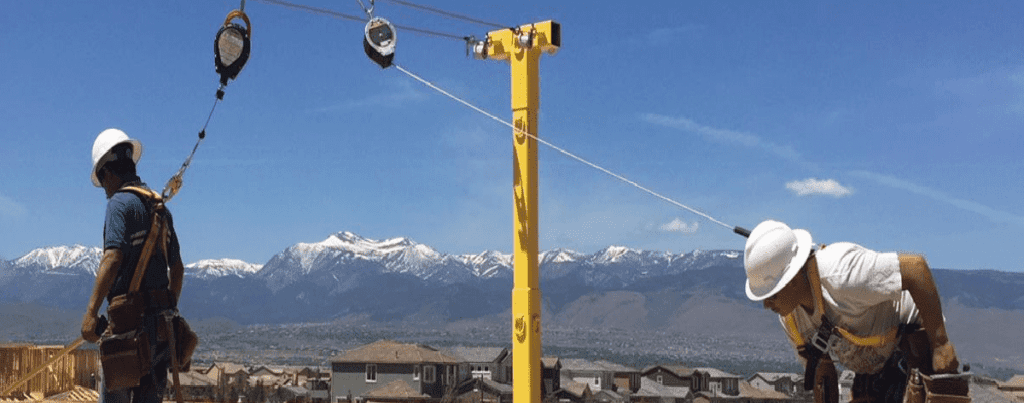
DEDICATED TO GETTING WORKERS HOME SAFELY SINCE 2004

Engineered Fall Protection for Real-World Jobsites

Equip Your Team with Confidence

For questions, concerns, or guidance on the Safety Pole system or fall-safety implementation, contact us.

© 2004–2026 Safety Pole, Inc.

The

JOBSITE STANDARD

Built on Safety. Set as Standard. The Safety Pole Perspective

Applied Safety

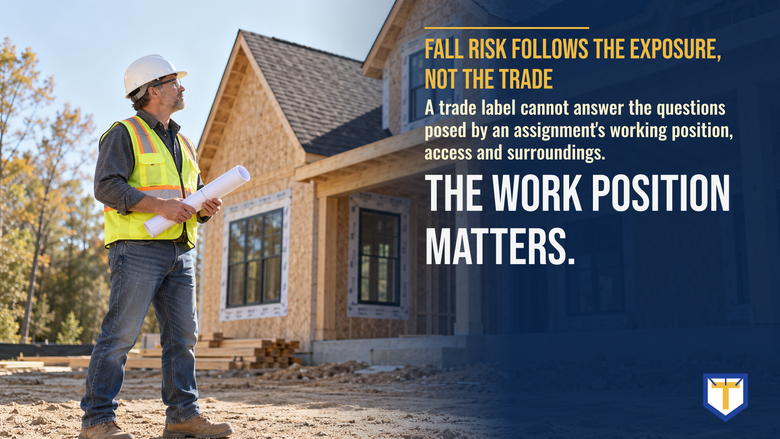
Fall Risk Follows the Exposure, Not the Trade

A trade label cannot answer the questions posed by an assignment’s working position, access and surroundings.

By Editor SafetyPole

Published in J.S. Safety Insights, Jobsite Standard

Fall Risk Follows the Exposure, Not the Trade

The work list says roofing, electrical, and exterior finishing. You know which contractors are coming and what they intend to complete. Before those assignments reach the crew, there is another part of the description to fill in: where each person will work and how they will get there.

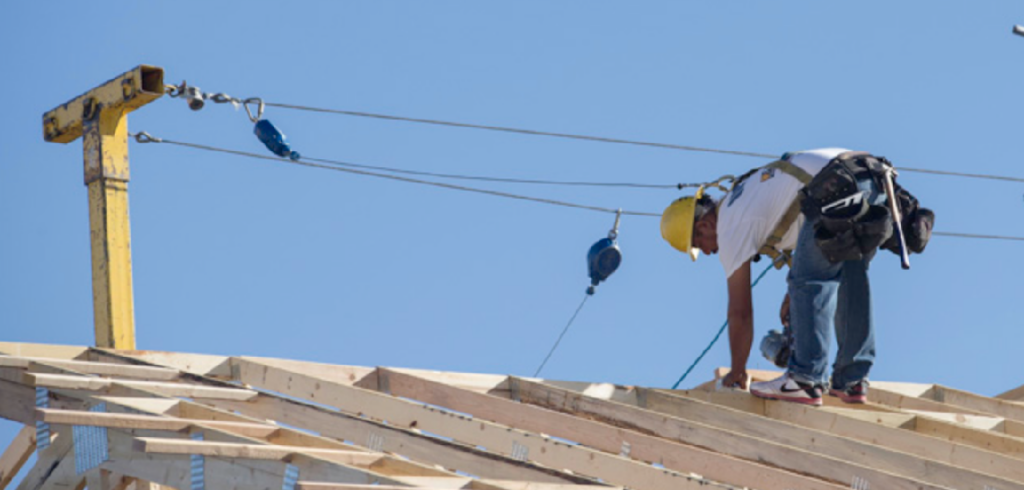
Consider three illustrative assignments. Roofers will work on a roof surface. An electrical crew will install a fixture beside a stair landing, then another above the stairwell. Finishers will work on an exterior wall from an elevated position. These are hypothetical comparisons, not accounts of a project or proposals for how any of those tasks should be performed.

The trade names identify the work without fully describing where it will happen. If the fall-protection discussion begins and ends with the roofing crew, the other two assignments have not yet received the same planning attention.

Source: Safety Pole Photo Archive

Put the Three Assignments Side by Side

For the roofers, the roof is already part of the task description. Even so, “roofing” does not identify the part of the roof they will occupy, how they will reach it, or the conditions around their work. Familiarity with the trade gives you a starting point for asking those questions, rather than a completed assessment.

For the electrical crew, separate the two fixture locations. A drawing may show exactly where each finished fixture belongs while saying little about where the installer can work. An installation beside the landing and one requiring a position over the stairwell present different questions. The review needs to establish the intended working position and appropriate access before anyone assumes the usual arrangement applies.

Now consider the finishers. “Finish the exterior wall” describes a result. Your planning team still needs to understand which part of the wall, the proposed working position, and the approach to that position. If materials must reach the same area, their movement belongs in the description, too. Having worked on another wall does not establish that the next location has equivalent surroundings.

Read together, the three descriptions reveal what the trade labels leave out. Each needs a clear account of the position from which the work will be done. The unanswered questions differ, and so may the appropriate arrangements.

OSHA’s Fall Prevention Campaign starts its planning advice with how the job will be done, which tasks it involves, and what safety equipment may be needed. That is a useful order for your review: understand the task before assuming the crew’s familiar equipment answers the question.

Access Is Part of the Comparison

Return to the electrical installation. The fixture location does not explain how the installer would reach it or what space the work requires. Those details belong in the assignment being evaluated. A task description that ends at the finished result leaves those working conditions unexamined.

The same question takes a different shape for the roofers. Their approach to the roof and movement to the intended work area need attention alongside the work at that location. For the finishers, the approach may involve space another crew expects to use. Those possibilities need to be established from the actual assignment; they should not be filled in from assumptions about the trade.

An experienced worker can contribute details a work list does not carry. The installer may recognize a problem with reaching the fixture from the position being discussed. The finishing foreman may need to clarify where materials are expected. Bring that knowledge into the review while the arrangement is being evaluated, and keep technical selection with the people authorized to make it.

The unanswered questions differ, and so may the appropriate arrangements.

Compare the Surroundings Without Copying the Answer

The stairwell, roof surface, and exterior wall should remain distinct in the discussion. Knowing that each involves elevated work does not make its access, exposure, or protection interchangeable. NIOSH’s construction fall-prevention material addresses roofs, ladders, and scaffolds, illustrating the breadth of the subject rather than prescribing one answer across those settings.

For the stairwell assignment, review the space around the proposed work position and any nearby activity. For the exterior wall, establish whether the approach or material movement intersects other work. For the roof, identify the conditions relevant to the particular area being used. These are questions to investigate, not findings that a hazard or suitable control has already been established.

Comparing the assignments gives you a fuller work description; selecting protection still depends on the applicable requirements, equipment instructions, and qualified assessment. A similar-looking exposure does not establish that another crew’s control is appropriate. The relevant rules and conditions must be resolved for the task and jurisdiction, including any task-specific distinctions.

That separation makes the comparison useful. Field leadership can identify what is missing and seek the right evaluation without turning a general planning conversation into an equipment prescription.

Recheck the Description When the Assignment Moves

Suppose, within the same illustration, the electrical crew’s next fixture is over the stairwell rather than beside the landing. The trade and installation skill remain the same. The earlier description of the working position no longer answers the next assignment’s questions. Carrying forward the familiar task name would conceal the detail that now needs evaluation.

The finishers may likewise move to a wall where the approach differs. Roofers may be assigned another part of the roof. Each change calls for checking which earlier assumptions remain relevant, with the actual condition determining the necessary review. It does not follow that every move requires a different system.

Before the next assignment is treated as ready, make sure its description reaches beyond what will be installed or finished. Identify where the worker will be, the approach to that position, and the surroundings that affect the work. Those details give the responsible people something concrete to assess, whichever trade is doing the job.

The Jobsite Standard

Autumn Quarter 2026

Applied Safety

Fall Risk Follows the Exposure, Not the Trade

October 15, 2026

By Editor SafetyPole

A similar-looking exposure does not establish that another crew’s control is appropriate.

Contents of This Issue

Published Articles

Upcoming Articles

  • A Change Order Can Change the Safety Plan | Scheduled for November 3, 2026
  • The Question Behind a Delayed Fall-Protection Decision | Scheduled for November 10, 2026
  • Evaluating the Safety Pole System for Residential Framing | Scheduled for November 17, 2026

Business Risk Starts With the Work

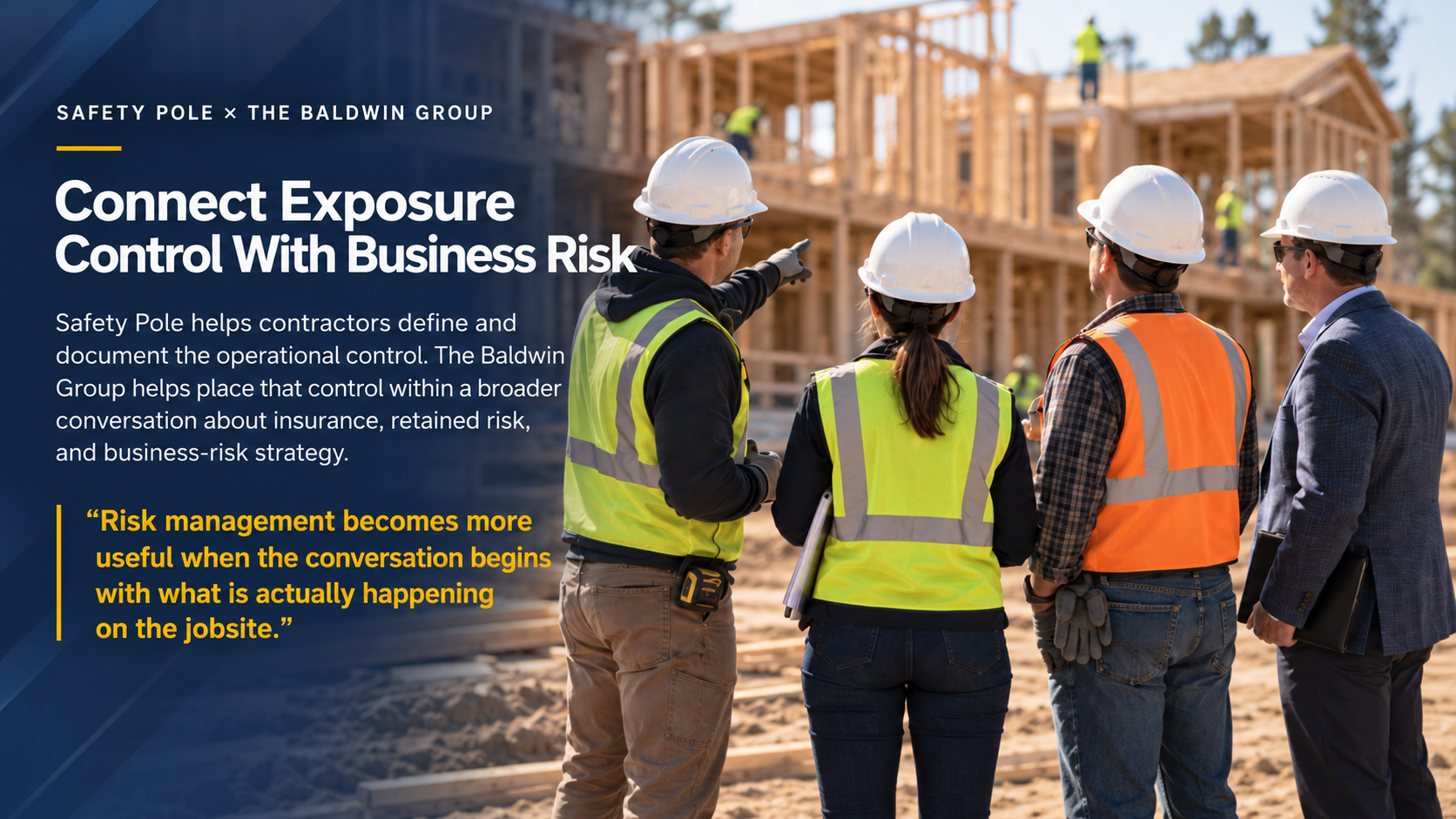
Business risk is not only about what happens after an incident. It also includes the physical controls, planning, documentation, and operating decisions made beforehand. See where fall protection fits into that larger conversation; and why managing the exposure starts with the work itself.

If you found this article useful, you may wish to receive future issues of The Jobsite Standard. Our email edition shares selected articles, field insights, and updates on safety practices relevant to working at height.

Let's Talk About Your Jobsite

Every project presents unique challenges.

Whether you're evaluating fall protection options, planning an upcoming project, or looking for guidance on creating a safer work environment, our team is here to help.

Send us a message and a Safety Pole representative will contact you to discuss your questions and project needs.

Name
Tell us about your project, safety concerns, fall protection requirements, or any questions you have for our team.

Your information will only be used to respond to your inquiry. We do not sell or share your information with third parties.

Dedicated to Getting Workers Home Safely