DEDICATED TO GETTING WORKERS HOME SAFELY SINCE 2004

Engineered Fall Protection for Real-World Jobsites

Equip Your Team with Confidence

For questions, concerns, or guidance on the Safety Pole system or fall-safety implementation, contact us.

© 2004–2026 Safety Pole, Inc.

The

JOBSITE STANDARD

Built on Safety. Set as Standard. The Safety Pole Perspective

Risk Management

Near Misses Are Planning Information

A close-call account is useful information, but the first explanation may not be a supported finding.

By SP Editorial Team

Published in J.S. Safety Insights, Jobsite Standard

Our Autumn Quarter 2026 Feature Article

Near Misses Are Planning Information

Consider a hypothetical close call. A worker rounds a corner in an access route just as another crew carries a long piece of material into the same space. Both stop before contact. When the account reaches the foreman, the first explanation is that someone wasn’t looking.

That explanation may sound complete, but it leaves much of the work unexamined. What could each person see? What did the crews understand about using the route? Had either assignment changed? The close call gives your team a reason to examine those questions. It doesn’t answer them.

After the immediate situation has been addressed through the site’s safety process, the account gives your team information about how the work came together. Establishing what happened can reveal something the next assignment needs to address.

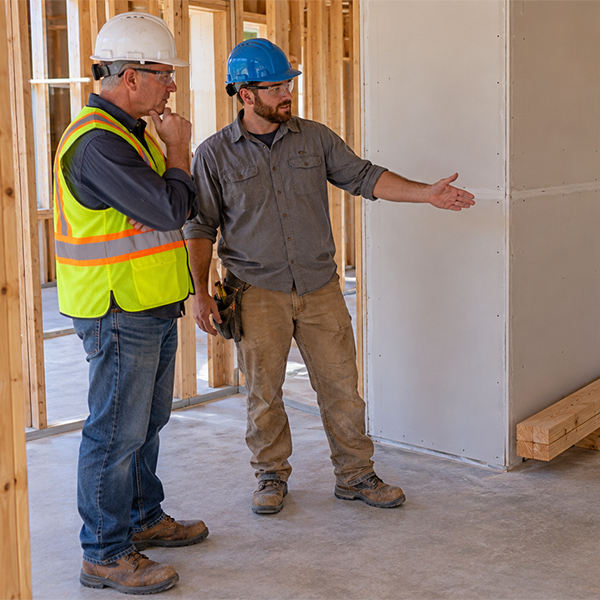
Source: Safety Pole Photo Archive

Start With the Account, Not the Explanation

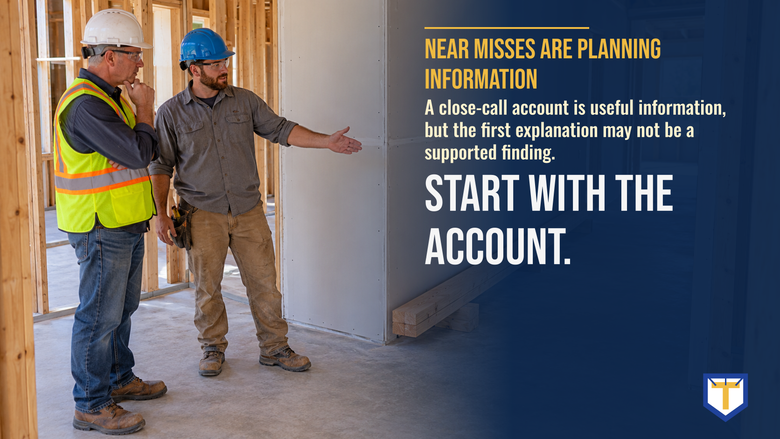
In the illustration, the worker reporting the close call can describe the corner, the approaching material and the point at which both people stopped. That is the initial account. The claim that someone wasn’t looking is an interpretation, requiring its own examination.

Ask what the person actually saw and what they learned afterward. The distinction needn’t make the conversation formal or adversarial. It keeps an incomplete view from becoming a settled finding. If the worker could not see the other crew before turning the corner, preserve that limit in the account.

The second crew may contribute information the first person didn’t have: the task they were carrying out, the route they expected to use and what they understood about activity nearby. Neither account has to explain everything. Taken together, they give the responsible reviewer a more useful starting point than the first attribution of fault.

OSHA’s incident-investigation guidance emphasizes underlying causes rather than simply finding fault. Identifying the last action before a close call may describe the moment without explaining the arrangement that preceded it. Keep the explanation open long enough to examine that arrangement.

Examine How the Work Met in That Space

For this example, the planning questions concern the shared route and the two assignments. Who expected to use the area, and for what activity? What information had each crew received? Did the work described to them match what was happening when they arrived?

Those questions are not findings that access was poorly planned or instructions were missing. The review may establish a different explanation. Its purpose is to test the work arrangement against the accounts and other available information, rather than use the close call to confirm an assumption already made.

The foreman can help establish the sequence and bring the affected supervisors into the review. Questions about technical conditions or appropriate controls belong with the people authorized to evaluate them. An initial account can identify something needing attention without supplying the technical answer.

Workers’ knowledge belongs in that examination. OSHA’s worker-participation recommendations encourage reporting and prompt follow-up. Let the people involved explain the work they understood themselves to be doing, including information that complicates the first explanation.

The close call gives your team a reason to examine those questions. It doesn’t answer them.

Let Findings Change the Next Arrangement

The response should follow what the review establishes. If it confirms that the crews received conflicting information about the route’s use, that finding gives the responsible team a specific coordination problem to address. It still doesn’t establish every cause of the close call or assign fault by itself.

The planning response would need to resolve the conflicting arrangements and communicate the resulting decisions to the affected crews. If a physical condition also requires evaluation, keep that question with the appropriate reviewer. Clarifying a message cannot stand in for resolving an access or protection question.

OSHA’s hazard-identification recommendations include investigating incidents and close calls as part of understanding hazards. Their practical relevance here is the connection between what the review finds and what the team does next. A report has not completed that connection merely because it has been entered in a system.

Keep the action specific enough to follow: which arrangement is being reconsidered, who is responsible and what remains unresolved. “Discussed with the crews” might describe a conversation. It doesn’t, by itself, tell the next supervisor what now applies to the route.

Return to the Work, Then to the People

For the hypothetical close call, follow-through means returning to the affected work after the response is put in place. The responsible person needs to check what actually changed and whether further attention is required. A decision made in the review and an arrangement being used in the field are different things to verify.

OSHA’s hazard-prevention and control guidance recommends tracking implementation and checking effectiveness. Feedback from the crews can contribute to that check. They may be able to explain whether the revised information matches how the area is being used, while technical judgments remain with the appropriate authority.

Give the person who raised the close call a useful response, including what remains open. That preserves the link between speaking up and the organization’s treatment of the information. It also allows a misunderstanding in the original account or the response to be raised again.

Counting reports can show that information is being submitted. By itself, the count doesn’t establish that conditions improved or that actions were completed. Look at what followed: the account examined, the finding supported, the decision made and the arrangement checked.

The close call at the corner is hypothetical. Its planning value would come from replacing the first assumption about inattention with a supported understanding of how the assignments met. That understanding, rather than a completed report alone, gives the team a basis for deciding what the next crew needs.

The Jobsite Standard

Autumn Quarter 2026

Risk Management

Near Misses Are Planning Information

October 22, 2026

By SP Editorial Team

The response should follow what the review establishes.

Contents of This Issue

Published Articles

Upcoming Articles

  • A Change Order Can Change the Safety Plan | Scheduled for November 3, 2026
  • The Question Behind a Delayed Fall-Protection Decision | Scheduled for November 10, 2026
  • Evaluating the Safety Pole System for Residential Framing | Scheduled for November 17, 2026

Business Risk Starts With the Work

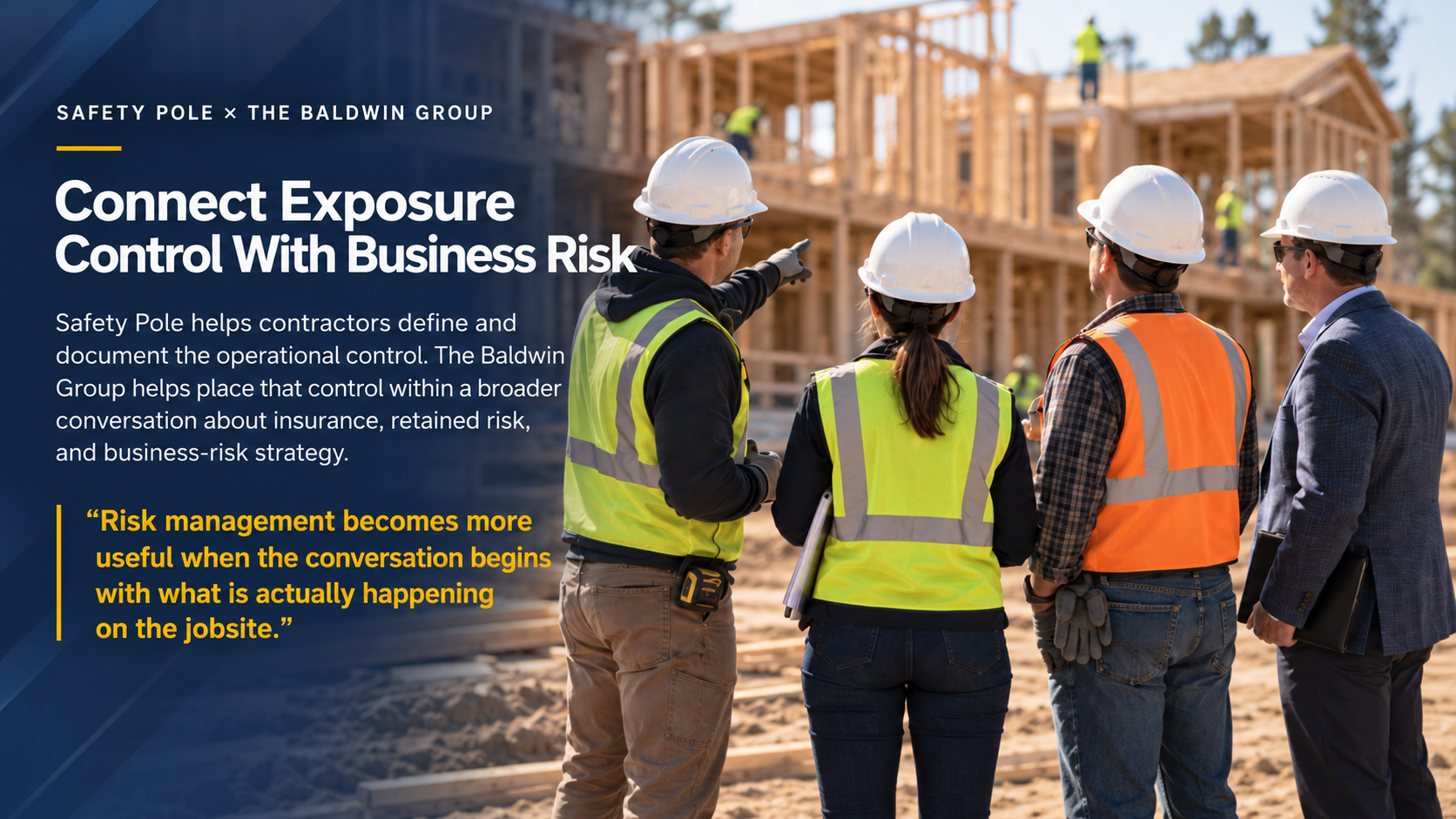
Business risk is not only about what happens after an incident. It also includes the physical controls, planning, documentation, and operating decisions made beforehand. See where fall protection fits into that larger conversation; and why managing the exposure starts with the work itself.

If you found this article useful, you may wish to receive future issues of The Jobsite Standard. Our email edition shares selected articles, field insights, and updates on safety practices relevant to working at height.

Let's Talk About Your Jobsite

Every project presents unique challenges.

Whether you're evaluating fall protection options, planning an upcoming project, or looking for guidance on creating a safer work environment, our team is here to help.

Send us a message and a Safety Pole representative will contact you to discuss your questions and project needs.

Name
Tell us about your project, safety concerns, fall protection requirements, or any questions you have for our team.

Your information will only be used to respond to your inquiry. We do not sell or share your information with third parties.

Dedicated to Getting Workers Home Safely