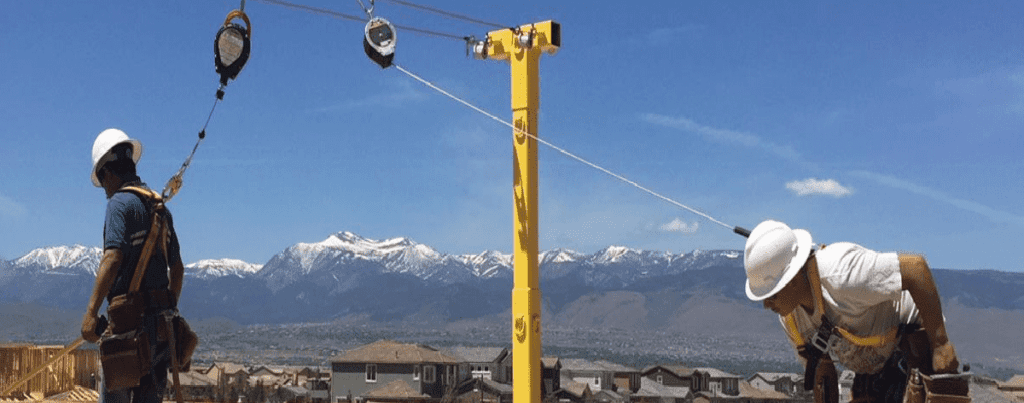
Safety starts with Safety Pole
No worker can observe every changing condition on a busy jobsite. Strong safety cultures recognize that awareness becomes more effective when it is shared. Sometimes the most important safety tool available is a worker willing to speak up when something doesn’t look right.
The conversation lasted less than ten seconds.
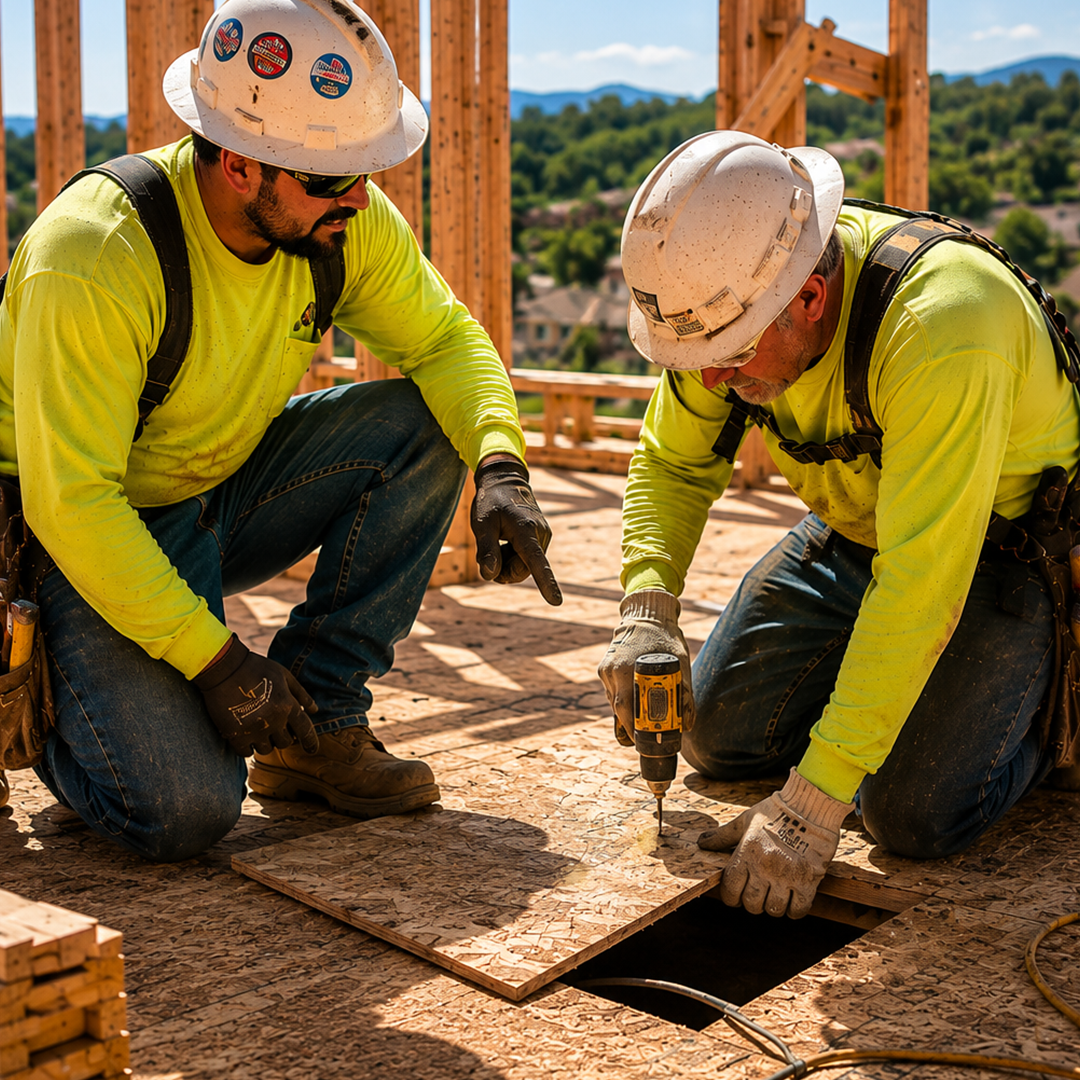
One member of the crew paused beside a coworker who was preparing to continue drilling through a section of framing.
Before the work resumed, he pointed toward the extension cord running behind the work area.
“Watch your footing.”
The coworker looked down and nodded.
The cord had gradually shifted throughout the morning as tools and materials were moved around the site. It wasn’t creating a major hazard. It wasn’t blocking access. But it had settled into a position where it could easily catch a boot during the next few hours of work.
The issue was corrected in moments.
The work continued.
Nobody filled out an incident report.
Nobody called a supervisor.
Nothing happened.
That was the success.
The best safety conversations are rarely dramatic. Most consist of small observations shared at the right moment by someone willing to speak up. A loose cord. An unsecured tool. A changing condition. A detail another worker may not have noticed.
The conversation may last only a few seconds.
The injury it prevents may never happen at all.
That is why strong safety cultures are built one observation at a time—and why the best crews understand that speaking up is not criticism.
It’s looking out for one another.
Most workplace incidents are not caused by a lack of knowledge.
Someone usually saw something.
Someone noticed a hazard.
Someone recognized a changing condition.
The difference is that one crew talks about those observations—and another does not.
Construction sites are dynamic environments. Materials move. Conditions change. Multiple trades work within the same area. New hazards can appear throughout the day, sometimes within minutes.
No individual worker can observe everything.
That is not a failure.
It is reality.
Every worker experiences a jobsite from a different perspective. One person notices a trip hazard. Another notices changing weather conditions. Someone else recognizes a missing guardrail component, an improperly staged material stack, or a coworker showing signs of fatigue.
Individually, these observations may seem minor.
Collectively, they create a more complete picture of jobsite conditions than any one worker could maintain alone.
This is one reason communication remains one of the most important safety tools available on any project.
Strong safety cultures do not depend on a single person identifying every hazard.
They depend on workers sharing what they see.
A simple conversation can identify a risk before it becomes an injury. Strong crews understand that safety concerns are worth discussing.
Many of the most important safety conversations last only a few seconds.
Yet those few seconds can prevent incidents that affect someone for months, years, or even a lifetime.
Unfortunately, workers sometimes hesitate to speak up. They assume someone else has already noticed the issue. They do not want to interrupt the work. They worry about creating conflict or appearing critical.
Yet the strongest crews understand something important.
Pointing out a hazard is not criticism.
It is professionalism.
Speaking up does not question someone’s ability or experience. It demonstrates concern for the people working around them.
In many ways, it is a sign of trust.
It communicates that safety is viewed as a shared responsibility rather than an individual burden.
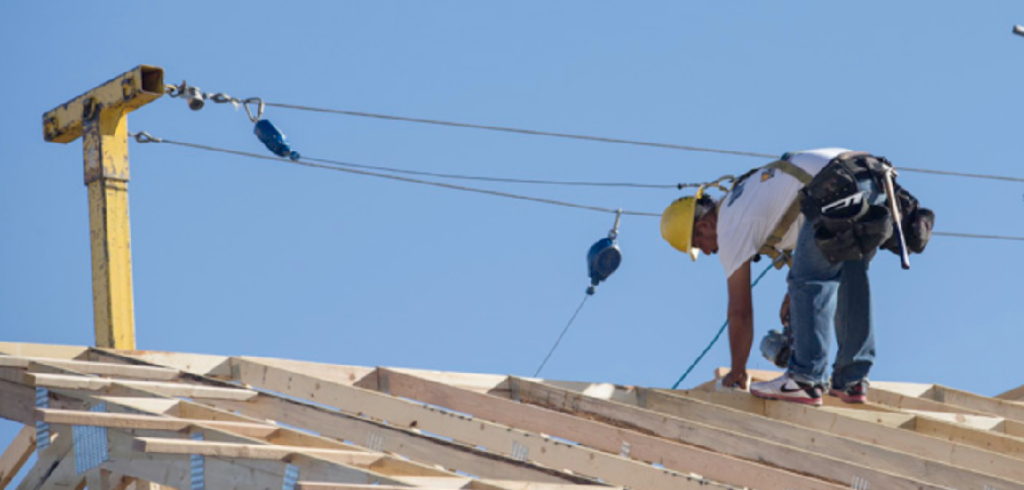
This becomes especially important when crews are working at height. Conditions evolve rapidly. Materials move. Work areas change. New exposures can develop throughout the day.
Engineered fall protection systems help establish consistent protection, but they do not replace communication. Workers still need to recognize changing conditions, share observations, and discuss concerns whenever something does not look right.
The most effective safety programs combine all three.
Awareness.
Protection.
Communication.
Safety Pole was developed to support one part of that equation by providing reliable fall protection infrastructure throughout active work areas. But even the best protection systems perform most effectively when paired with workers who are willing to look out for one another.
Because the safest jobsites are not created by perfect workers.
They are created by workers willing to help one another see what they might otherwise miss.
The best crews speak up.
And sometimes a five-second conversation is all it takes to prevent a lifetime injury.