Safety starts with Safety Pole
Experience helps workers recognize risks, solve problems, and perform tasks efficiently. But experience can also create blind spots when familiar conditions stop receiving the attention they deserve. The challenge is not identifying hazards once—it is continuing to recognize them after seeing them every day.
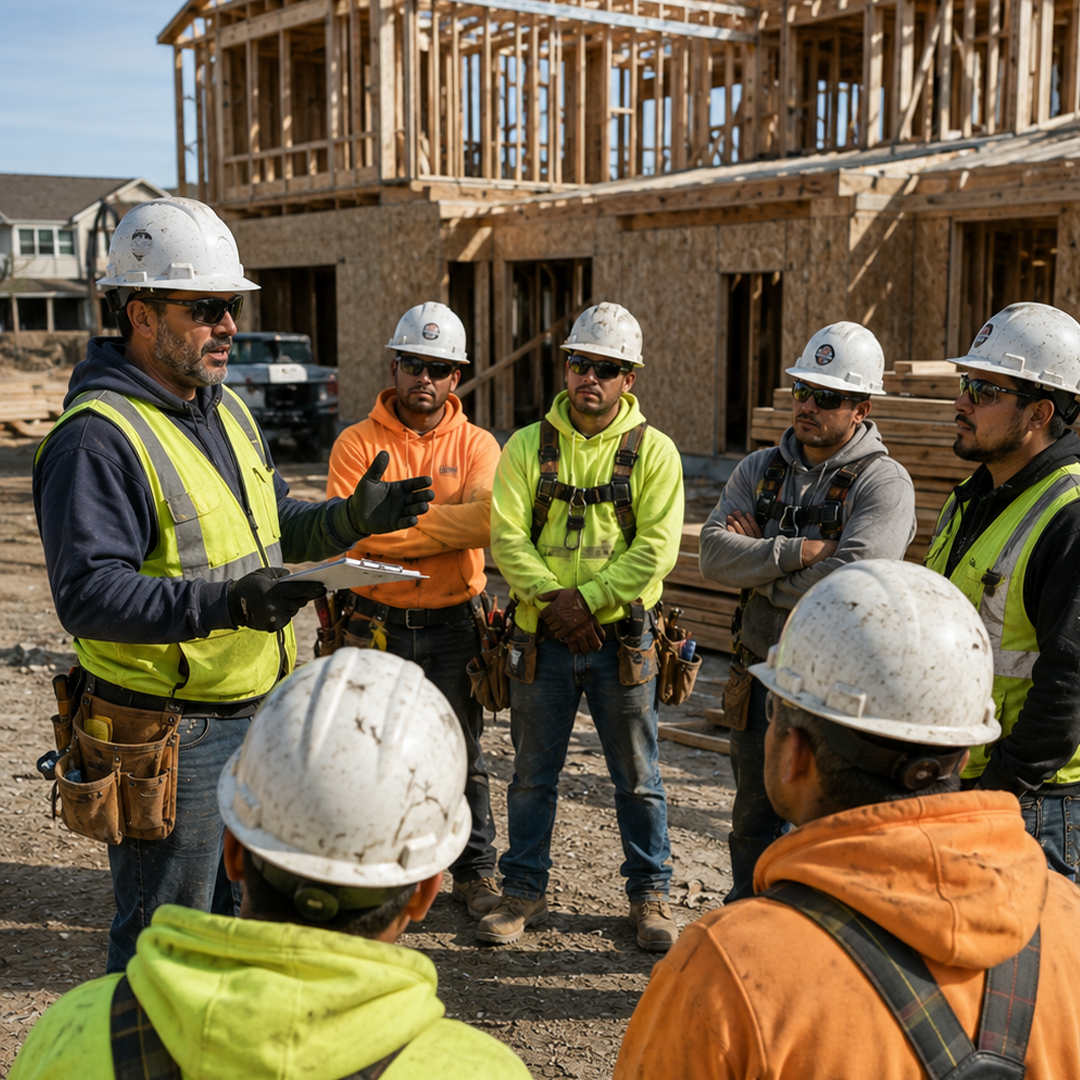
The crew gathered in a loose semicircle near the framing stack as the morning tool-box talk began.
Coffee cups rested on tailgates. Hard hats were adjusted. The familiar routines of another workday settled into place.
The discussion focused on the next phase of construction. The lower levels were complete. Work would now move higher, bringing crews closer to exposed edges and open perimeter areas where fall hazards would become part of the daily environment.
For many in the group, the previous weeks had passed without incident.
The work had gone smoothly. No injuries. No close calls. No interruptions.
That experience can create a subtle assumption on any jobsite.
If nothing happened yesterday, it becomes easy to believe nothing will happen today.
Yet fall hazards do not become less dangerous because they have been encountered before. Familiarity may increase confidence, but it does not reduce exposure. The edge remains the edge. The distance remains the distance.
Experienced supervisors understand that each phase of construction introduces new conditions, new work locations, and new risks that require renewed attention. A successful project is not measured by how long a crew goes without an incident. It is measured by how consistently hazards are identified and managed before an incident has the opportunity to occur.
The purpose of a morning safety discussion is not to revisit yesterday’s success.
It is to prepare for today’s conditions.
That distinction becomes especially important when discussing one of the most widely recognized—and frequently misunderstood—requirements in construction safety: OSHA’s 6-foot rule.
Experience is one of the most valuable tools on any jobsite.
Experienced workers understand their craft. They know how materials behave, how tasks are sequenced, and how to solve problems when conditions change. They can often recognize challenges long before less experienced workers notice them.
That knowledge is earned through years of work, repetition, and observation.
It is one of construction’s greatest strengths.
Yet every experienced supervisor has witnessed the same phenomenon. A crew becomes comfortable with a work area. The project progresses smoothly. Tasks become familiar. Then the project enters a new phase, introducing new conditions and new exposures while workers are still viewing the site through yesterday’s expectations.
The familiarity that helps crews work efficiently can sometimes make important changes harder to notice.
Experienced crews often develop rhythms that allow work to proceed smoothly. Material handling becomes second nature. Access routes become familiar. Workers instinctively know where tools, equipment, and staging areas are located.
These efficiencies are valuable.
But they can also create blind spots.
The more familiar a task becomes, the less conscious attention it often requires. Actions that once demanded concentration gradually become automatic. Repetition creates confidence, but it can also make workers less likely to question conditions that have become part of their daily routine.
Construction work is no different.
An experienced framer may walk a deck edge while thinking about material deliveries. A roofer may focus on the next stage of work rather than the immediate conditions around them. A superintendent may be considering schedules, manpower, inspections, and subcontractors while moving through an active work area.
None of these situations are unusual.
The challenge is that hazards do not disappear simply because attention has shifted elsewhere.
A misplaced extension cord, an uncovered opening, a change in weather conditions, a missing guardrail component, or a newly created exposure can easily blend into the background of a familiar environment.
In many cases, the hazard itself is not hidden.
What changes is the worker’s perception of it.
Over time, what once attracted immediate attention begins to feel routine.
Safety professionals often refer to this as normalization of risk. When workers encounter the same condition repeatedly without experiencing a negative outcome, the condition gradually feels less hazardous than it actually is. The exposure remains unchanged. The perception of the exposure changes.
Over time, what once attracted immediate attention begins to feel routine.
The unusual becomes normal.
This process is rarely intentional. Most workers do not consciously decide to ignore hazards. Instead, the mind adapts to familiar surroundings and begins filtering out information that appears unchanged.
That adaptation is useful in many situations.
On a jobsite, it can become dangerous.
This is why periodic reassessment remains important, even for the most experienced crews.
Taking a moment to stop and intentionally observe the work area can reveal issues that routine may have concealed. Looking at a familiar work zone as though it were being seen for the first time often uncovers details that have gradually faded into the background.
Questions as simple as these can make a difference:
These questions help interrupt the assumptions that familiarity often creates.
When workers and supervisors develop the habit of asking them regularly, situational awareness improves throughout the project.
Awareness remains one of the most important safety tools available to any crew.
Yet awareness alone is rarely enough.
Workers become distracted. Conditions evolve. Attention shifts from one priority to another throughout the day. Materials arrive. Schedules change. New trades enter the work area. Even highly experienced workers occasionally overlook something familiar.
Effective safety programs recognize these realities and support good decision-making with systems designed to remain consistent even when attention is pulled in multiple directions.
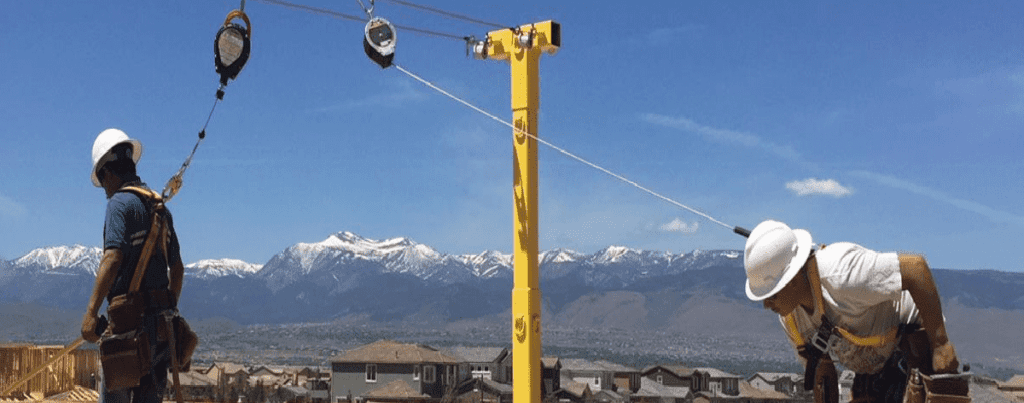
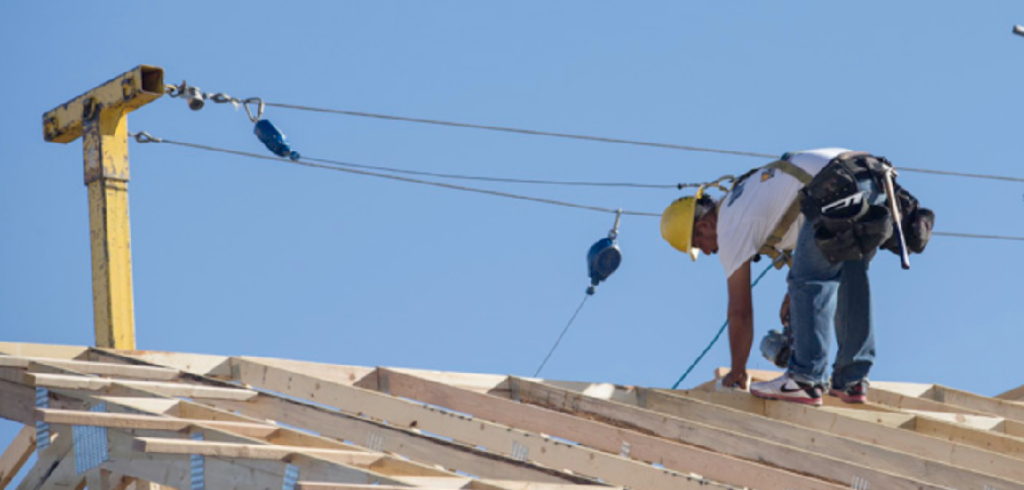
For work performed at height, this becomes especially important. Open edges, changing deck configurations, material staging areas, and evolving construction conditions can all alter the risk profile of a jobsite over time.
Reliable fall protection systems help establish consistency amid those changing conditions. Instead of relying entirely on memory, habit, or assumptions, workers have access to clearly defined protection that remains available as the project progresses.
Safety Pole was designed to support that consistency by helping crews maintain access to engineered fall protection throughout active work areas. Combined with attentive work practices and regular hazard assessment, systems like these help reduce the opportunity for familiar hazards to become overlooked hazards.
Experience remains one of construction’s greatest strengths.
The key is remembering that experience works best when it is paired with awareness.
Sometimes the most important thing a worker can do is pause, look again, and see what familiarity may have hidden.
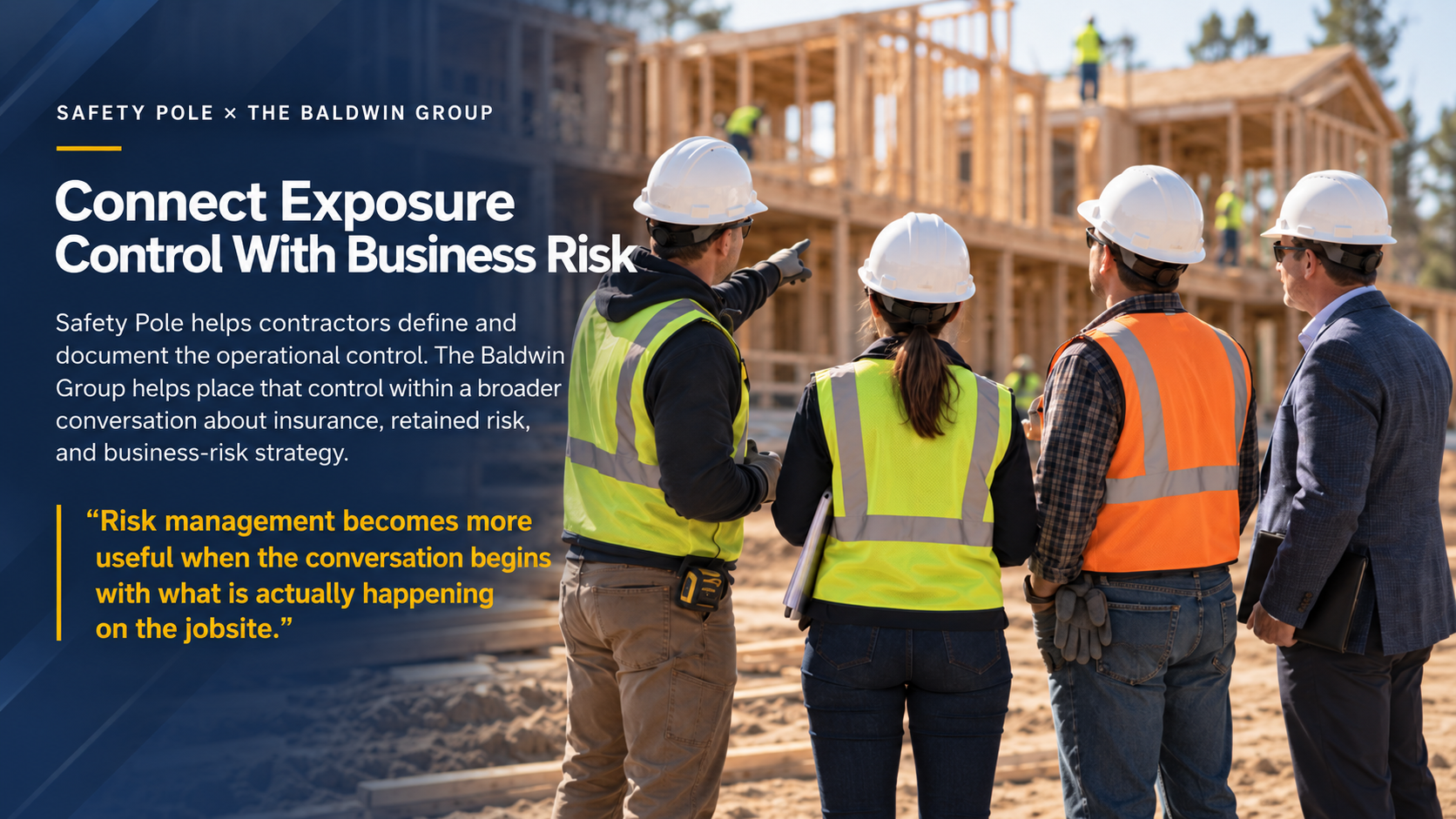
Business risk is not only about what happens after an incident. It also includes the physical controls, planning, documentation, and operating decisions made beforehand. See where fall protection fits into that larger conversation; and why managing the exposure starts with the work itself.